
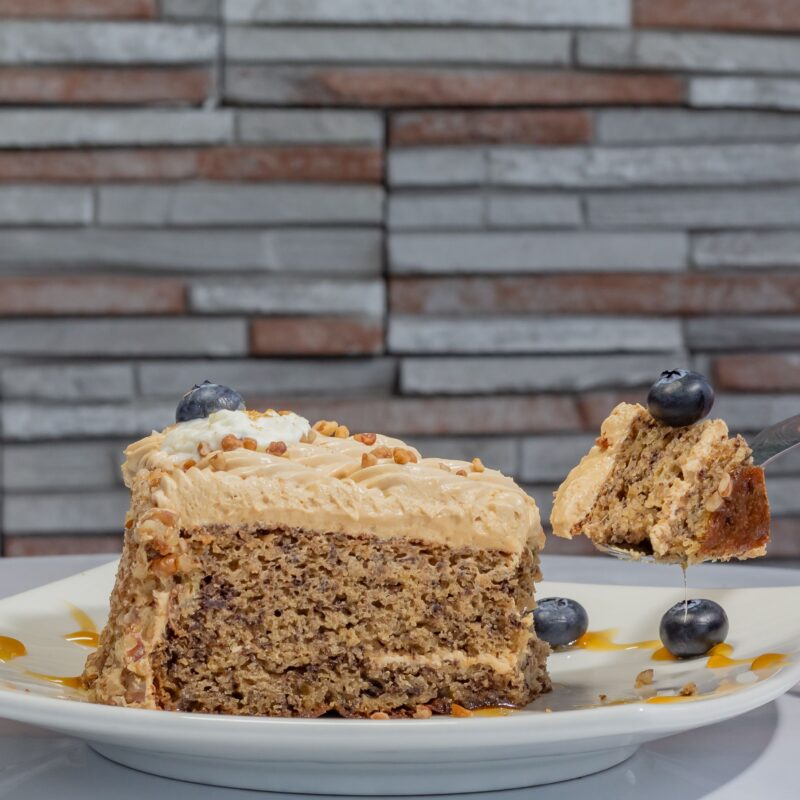
Coconut cake is a soft, flavorful dessert that combines the sweetness of cake with the rich, tropical taste of coconut. It is a popular choice for birthdays, celebrations, afternoon tea, and family gatherings. Although coconut cake is primarily a dessert, coconut provides several nutrients that can make this treat an interesting addition to a balanced diet when enjoyed in moderation.
What Is Coconut Cake?
Coconut cake is usually prepared with flour, eggs, butter or oil, sugar, milk, and shredded coconut. Depending on the recipe, coconut milk or coconut cream may also be added to create a stronger coconut flavor.
The cake can be served plain or topped with coconut frosting, whipped cream, cream cheese frosting, or toasted coconut flakes.
Nutritional Value of Coconut



Coconut contains dietary fiber and provides minerals such as manganese. It also contains fat, including saturated fat, so portion size is important.
Because coconut cake commonly contains added sugar, butter, cream, and other calorie-dense ingredients, it should be considered an occasional dessert rather than a primary source of nutrition.
Is Coconut Cake Healthy?
Coconut cake can be enjoyed as part of a balanced diet, but it is not generally considered a health food. Traditional recipes can be high in calories, added sugar, and saturated fat.
The good news is that homemade coconut cake can be modified to make it a more balanced dessert. Using less added sugar, choosing unsweetened coconut, adding fruit, and controlling portion sizes are simple ways to improve the overall nutritional profile.
Healthier Ways to Prepare Coconut Cake
If you love coconut cake but want a lighter option, consider these tips:
- Use unsweetened coconut: This reduces the amount of added sugar.
- Reduce the sugar: Many recipes can tolerate a modest reduction in sugar without losing their sweetness.
- Add fruit: Banana, pineapple, or berries can add natural sweetness and flavor.
- Choose whole-grain flour: Replacing some refined flour with whole-grain flour can increase fiber.
- Limit the frosting: A thick layer of frosting can significantly increase the sugar and calorie content.
- Watch portion size: A small slice can satisfy a sweet craving without turning dessert into a large part of the meal.
Why Homemade Coconut Cake Can Be a Good Choice
Making coconut cake at home gives you greater control over the ingredients. You can decide how much sugar, coconut, frosting, and fat to use.
It also allows you to experiment with healthier ingredients while maintaining the delicious coconut flavor. For example, a simple cake made with unsweetened coconut and a moderate amount of sugar can be paired with fresh fruit for a more balanced dessert.
How to Enjoy Coconut Cake Responsibly
You don’t necessarily have to avoid your favorite desserts to maintain healthy eating habits. Instead, focus on moderation and balance.
Enjoy a small serving of coconut cake after a nutritious meal, and balance your overall diet with vegetables, fruits, whole grains, protein-rich foods, and plenty of water.
Conclusion
Coconut cake is a delicious dessert with a distinctive tropical flavor. Coconut itself provides fiber and certain minerals, but traditional coconut cake can also be high in sugar, calories, and saturated fat.
The best approach is to enjoy coconut cake occasionally and in reasonable portions. By making it at home and choosing ingredients carefully, you can create a tasty dessert that fits comfortably into a balanced lifestyle.
A healthy diet doesn’t mean giving up every sweet treat—it means enjoying them thoughtfully and in moderation.